![[close]](addins/icons/close_24.gif)


Finance
Finance & M&A
This section shares insights about corporate finance and mergers and acquisitions (M&A).
Access to capital is essential to any business development project. In terms of growth, M&A has become the go-to working tool for growth Oriented CEOs in larger firms. Long gone are the days before open innovation when large firms would concentrate their investments internally. Ask us how we can help.
May
9
2022
SAFE vs SAFETY Agreeements
Sean Irvine
Jun
15
2021
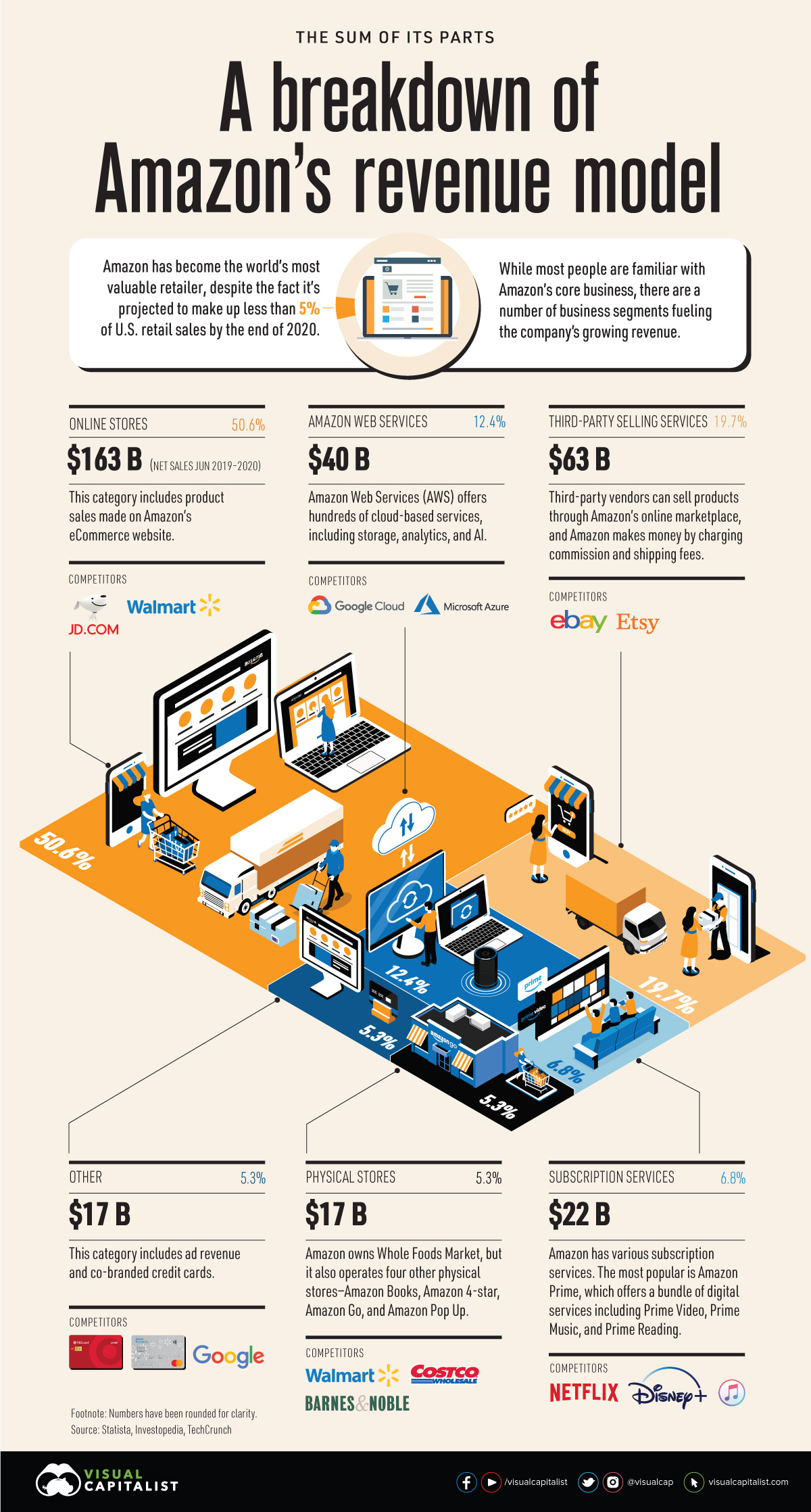
Amazon’s Revenue Model
Sean Irvine
Jun
8
2021
Tech's Bizarre Beginnings & Lucrative Pivots
Sean Irvine

Jun
1
2021
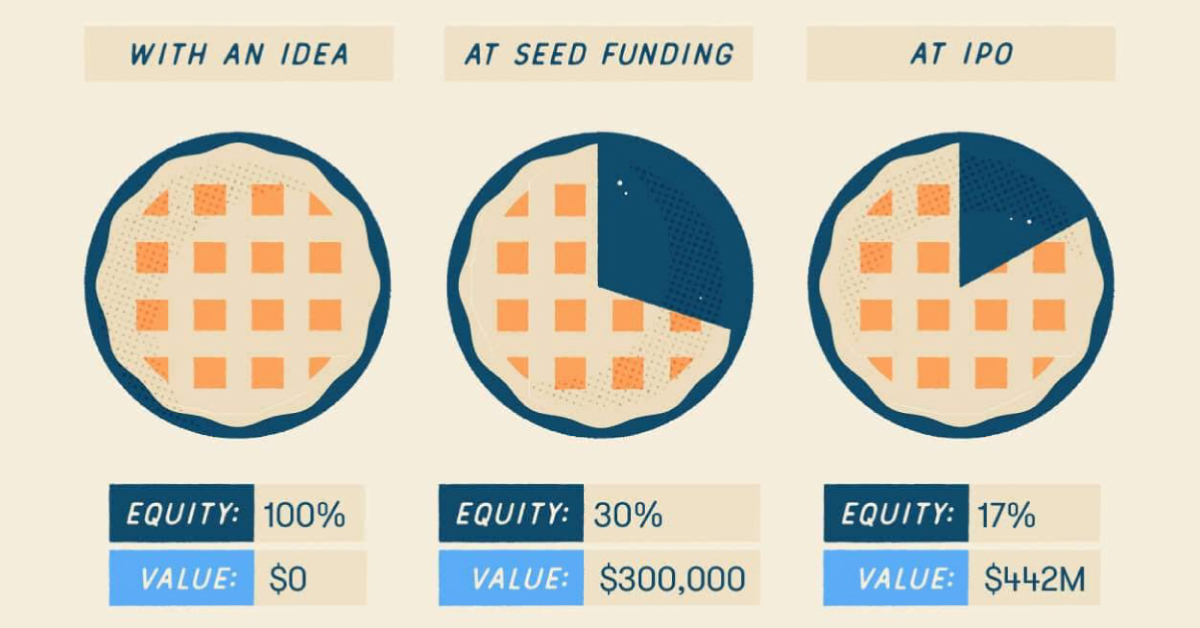
Stages of a Start-up
Sean Irvine
May
25
2021
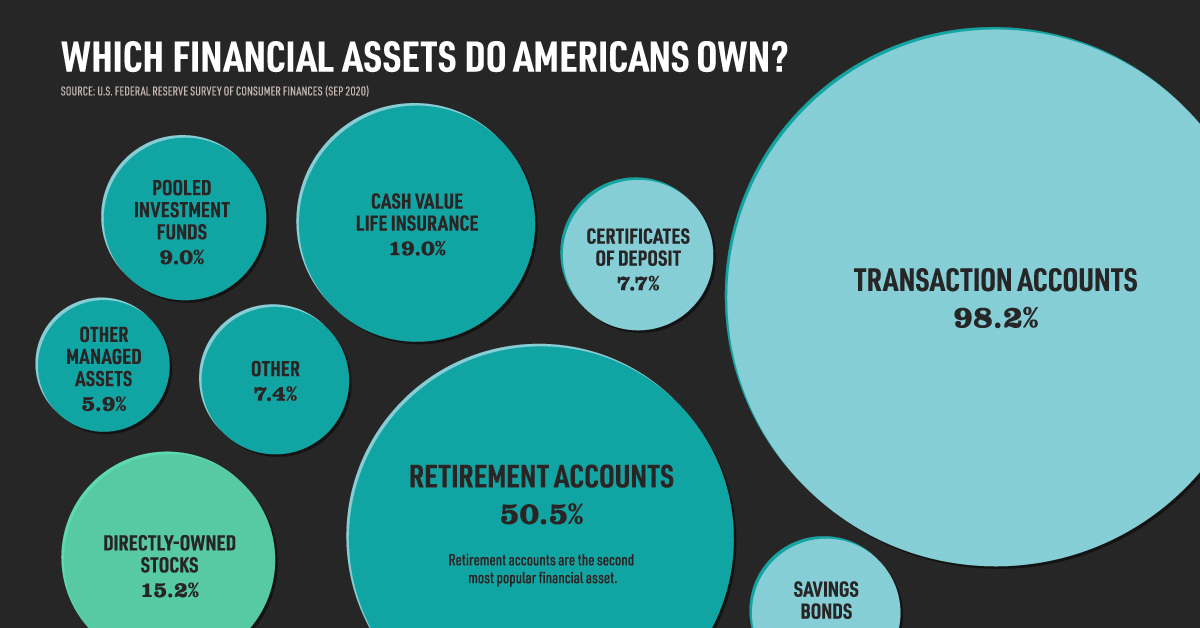
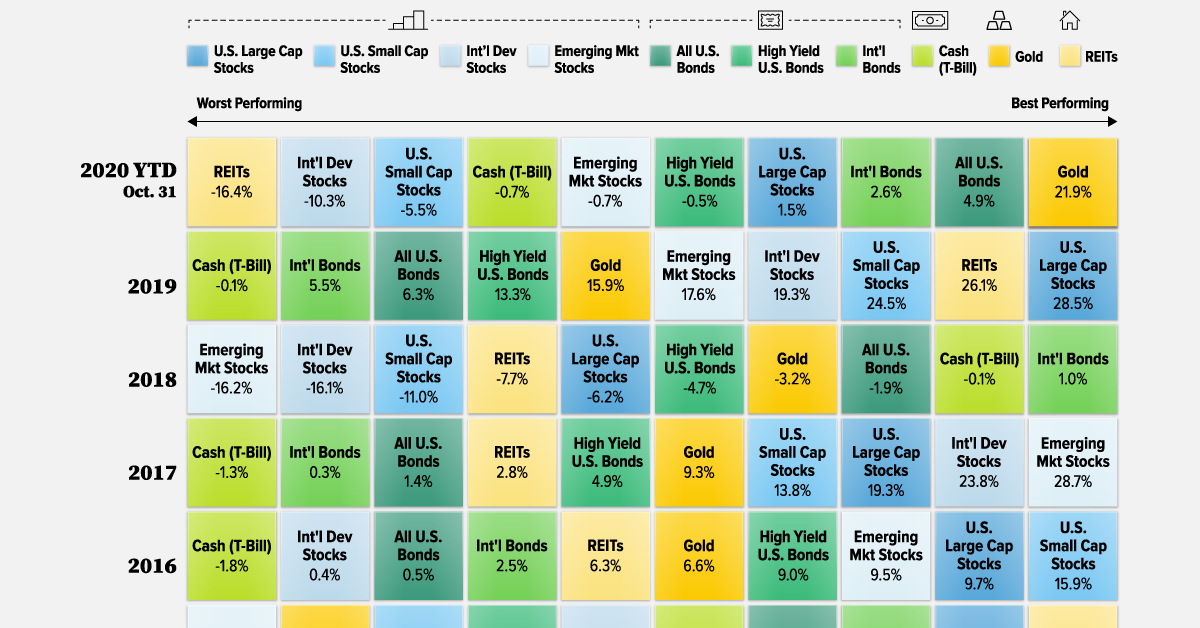
Which Financial Assets Do Americans Own?
Sean Irvine
May
18
2021
The 50 Richest Women in the World
Sean Irvine

May
15
2021
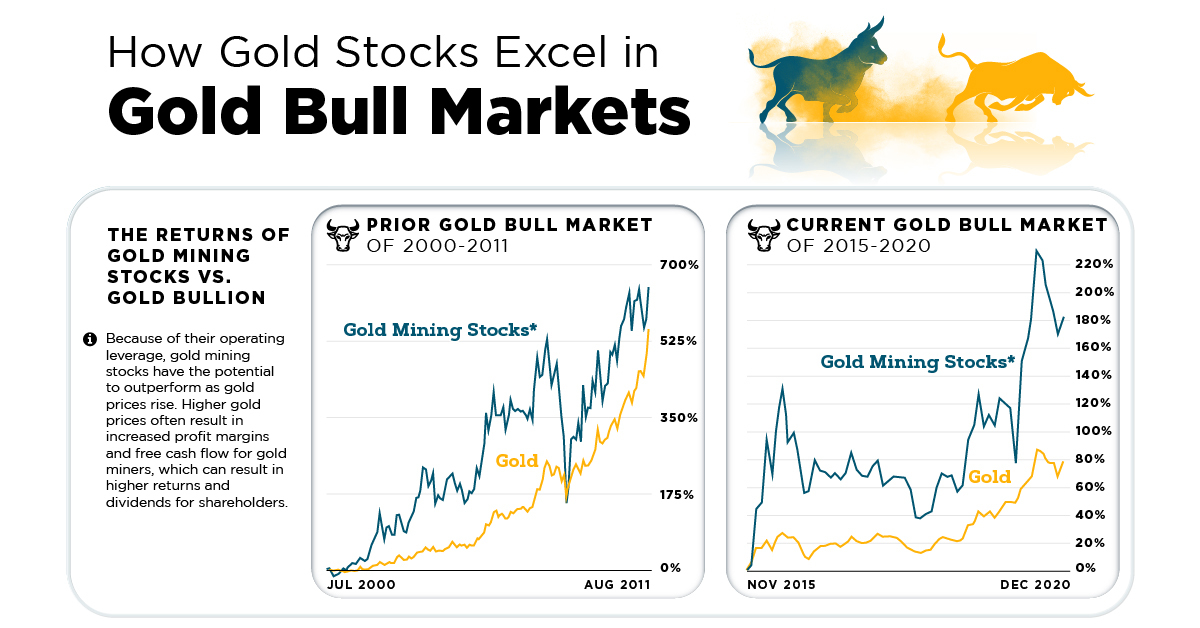
Gold Mining Stocks Outperform Gold in Bull Market
Sean Irvine
Apr
24
2021
25 Largest Private Equity Firms
Sean Irvine
https://www.visualcapitalist.com/25-largest-private-equity-firms-chart/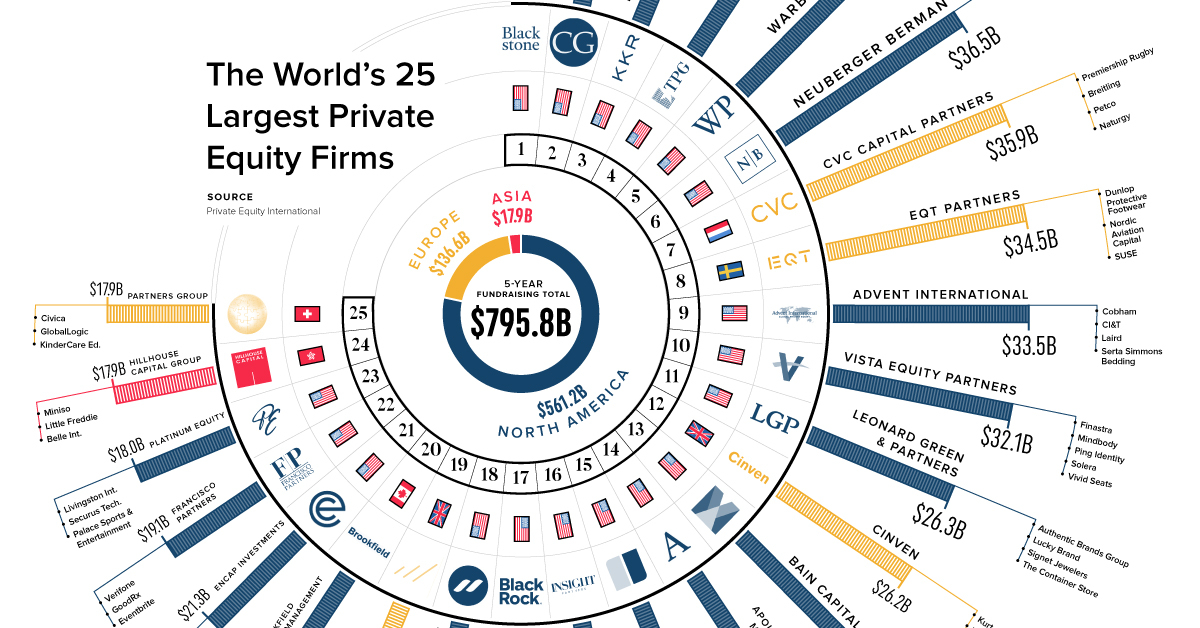
Visualizing the 25 Largest Private Equity Firms in the World
Apr
3
2021
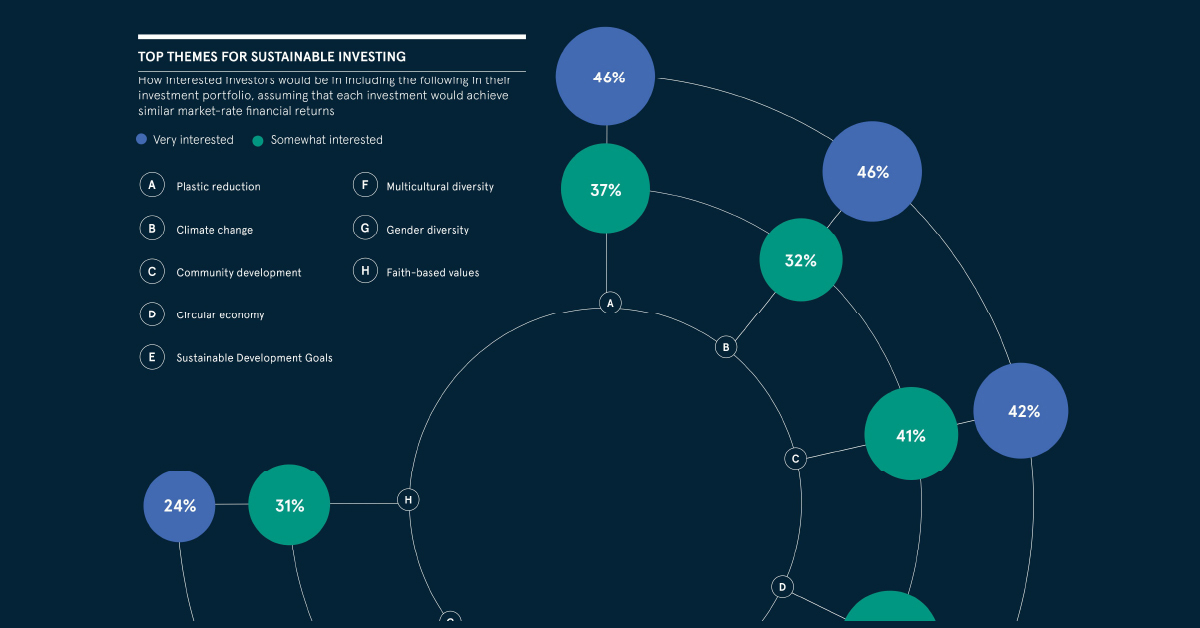
5 Drivers Behind Sustainable Investing
Sean Irvine
Apr
3
2021
Ultra-Wealthy
Sean Irvine

Apr
2
2021
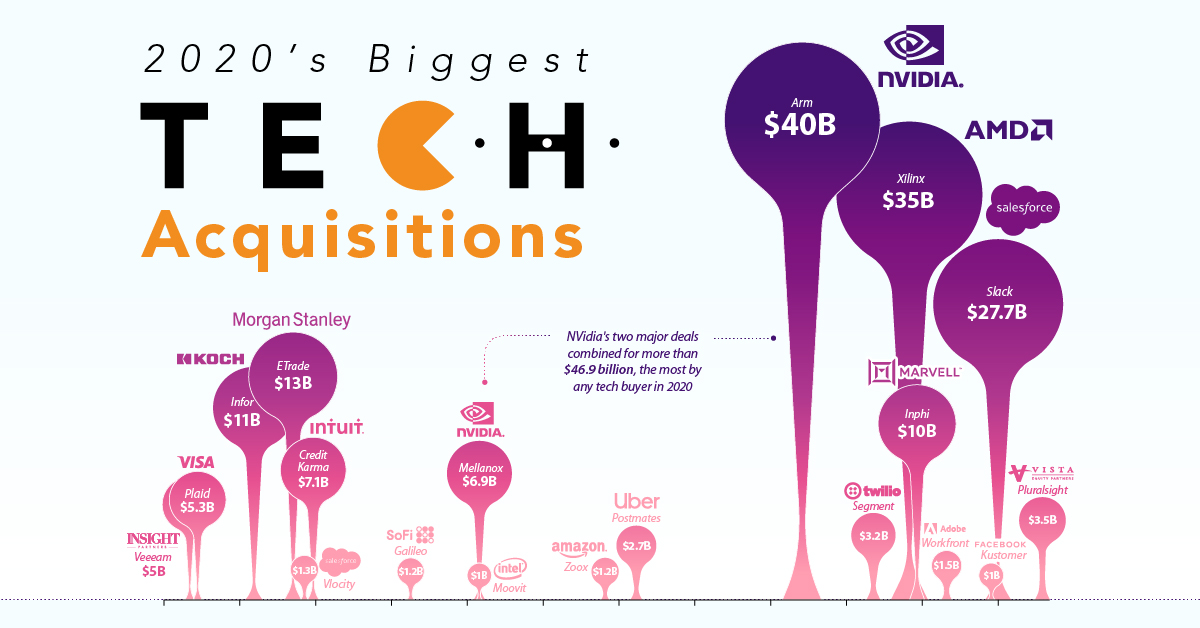
Compare 2020's Big Tech Mergers and Acquisition
Sean Irvine